

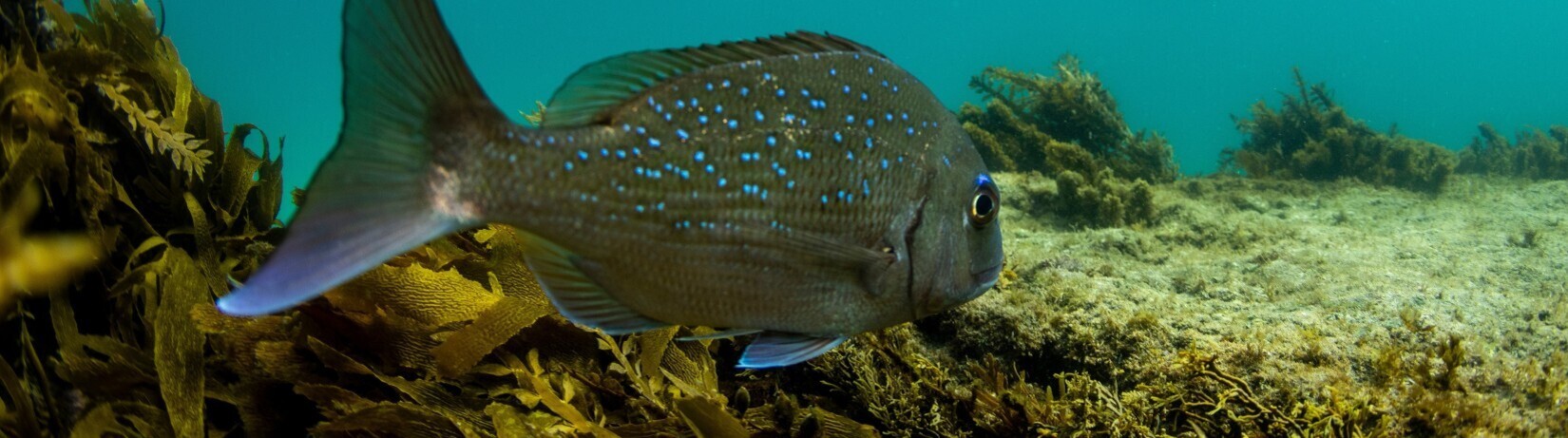
Artificial reefs are man-made underwater structures designed to mimic the functions of natural reefs.
When carefully planned and positioned they can provide habitat for marine life, support biodiversity, enhance recreational opportunities such as fishing and diving, and in some cases, assist with coastal protection.
Westport has undertaken a feasibility study to explore the potential for new artificial reefs to provide environmental and social benefits in and around Cockburn Sound.
As part of the feasibility survey, we surveyed the fishing and recreational community to understand where people would like to see a reef(s) in the Sound, and what its purpose should be – fishing, diving, snorkelling, etc.
The survey was conducted between June to September 2025 and received 429 responses.
Community Workshop
In March 2026, we held a community workshop to inform Westport’s Artificial Reef study and inform the next stage of planning.
Participants discussed preferences for reef location and function, as well as associated risks, opportunities and priorities across four reef types:
- Ecological outcomes
- Recreational fishing
- Snorkelling and diving
- Coastal protection.
Attendees represented a diverse range of organisations including local government, fishing and recreational associations, sailing clubs, diving clubs, and environmental groups.
Notes from this workshop are available to read here
Frequently asked questions
Artificial reefs are purpose-built structures placed on the seabed to create, restore, or enhance marine habitat. They are designed to support marine biodiversity by providing shelter, feeding opportunities, and altering the water flow to attract a variety of marine species. These reefs are typically made from materials such as specially designed concrete modules, steel structures, or natural rock. In addition to ecological benefits, artificial reefs can also enhance recreational activities such as fishing and diving.
Scientific research completed through the WAMSI-Westport Marine Science Program shows that artificial reefs are highly valued by the community and stakeholders for the environmental and recreational benefits they can provide.
Through consultation with local community members, government agencies, and environmental organisations, artificial reefs have been identified as a promising initiative that may help support the long-term health and resilience of Cockburn Sound.
Artificial reefs can offer a wide range of benefits, including:
- Creating or enhancing habitat for fish and other aquatic animals
- Enhancing opportunities for recreational fishing, diving, snorkelling and eco-tourism
- Restoring, mitigating or offsetting damage to or loss of natural reefs or habitats
- Providing coastal protection against erosion
- Offering platforms for scientific research and ecological monitoring
No, the feasibility study is a separate project focused on exploring whether artificial reefs could be a viable initiative for Cockburn Sound.
This feasibility study is not part of the environmental impact assessment of Westport’s proposed port and marine infrastructure, which is currently underway with the State regulator.
More information
If you have any questions about the feasibility study or would like to speak to a member of our team, please contact us at enquiries@westport.wa.gov.au.